 copy MORE WHITE.png)

Shapur I (240–272 CE) was a brave and enlightened Sasanian king. After returning from his victorious battles against the Roman emperor, probably after 260 CE, he founded a new city in the east of Shush and the southeast of Dezful, along the route between Shush and Shushtar, which is known in Iranian history as JundiShapur.
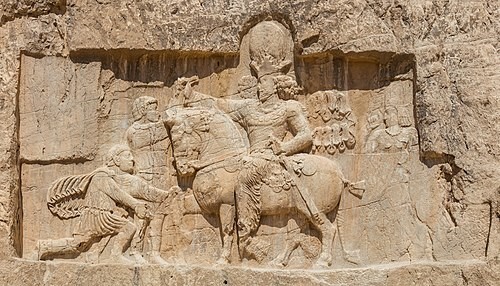
In the Sasanian era, probably from the time of the founding of the city of Jundishapur by Shapur I, there was an academy in Jundishapur that developed various disciplines of science. However, very soon, the medical school and the associated hospital became particularly prominent, as historical records make little mention of other disciplines and place strong emphasis on medicine.
This statement is inscribed above the Grand Library of Gundishapur.
The Academy of Gundishapur in the Sasanian era was one of the most prominent centers of medicine in Iran and the world. It developed medical knowledge by integrating treatment methods from Greek, Indian, Syriac (Suryani), and Iranian traditions. This synthesis resulted in the unique medical knowledge of Gundishapur. Supported by emperors who valued knowledge and were themselves scholars, such as Shapur I and Khosrow Anushiravan, the academy gained immense significance, eventually turning the city into a renowned center of learning, often referred to as “the city of Hippocrates.
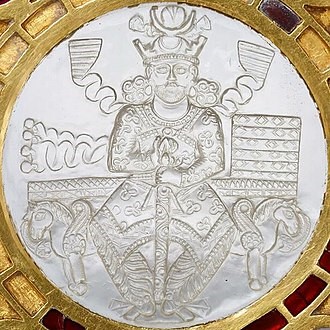
The flourishing and peak of success of the Academy of Gundishapur and its School of Medicine occurred during the reign of a courageous king who valued knowledge, was himself a scholar, and ruled with remarkable fairness—Khosrow Anushiravan (531–579 CE). An important historical report from the Islamic era indicates that Khosrow Anushiravan organized a congress and a medical symposium, together with Jibra’il Dorosttabaz, the head of physicians. His involvement can be considered the earliest recorded medical congress in the world.
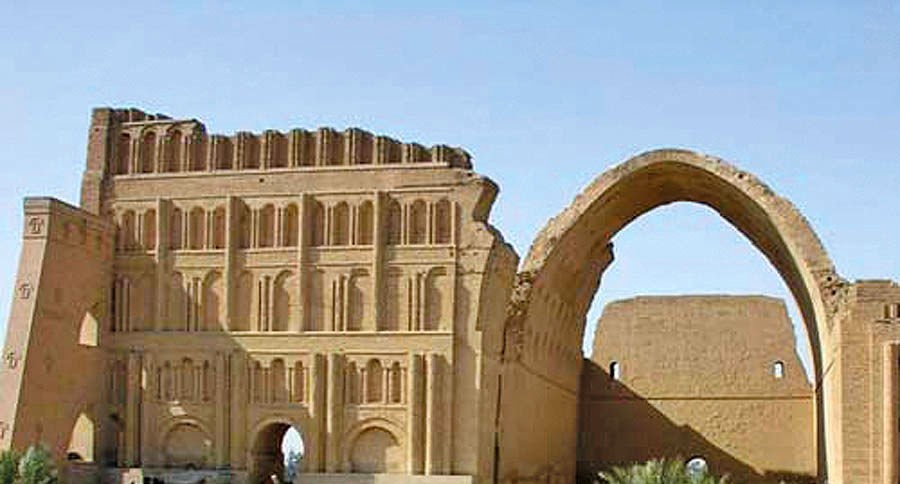
History shows that Iranian scholars and thinkers played key roles in the development of Islamic culture and civilization across a wide range of disciplines, including mathematics, philosophy, astronomy, chemistry, music, art, ethics, history, geography, and literature. Their contributions were so significant that the Prophet Muhammad (peace be upon him) is reported to have said: “If knowledge were at the farthest reaches of the sky, a group of Iranians would attain it.” This statement highlights the enthusiasm, innovation, and perseverance of Iranians in the pursuit of knowledge.
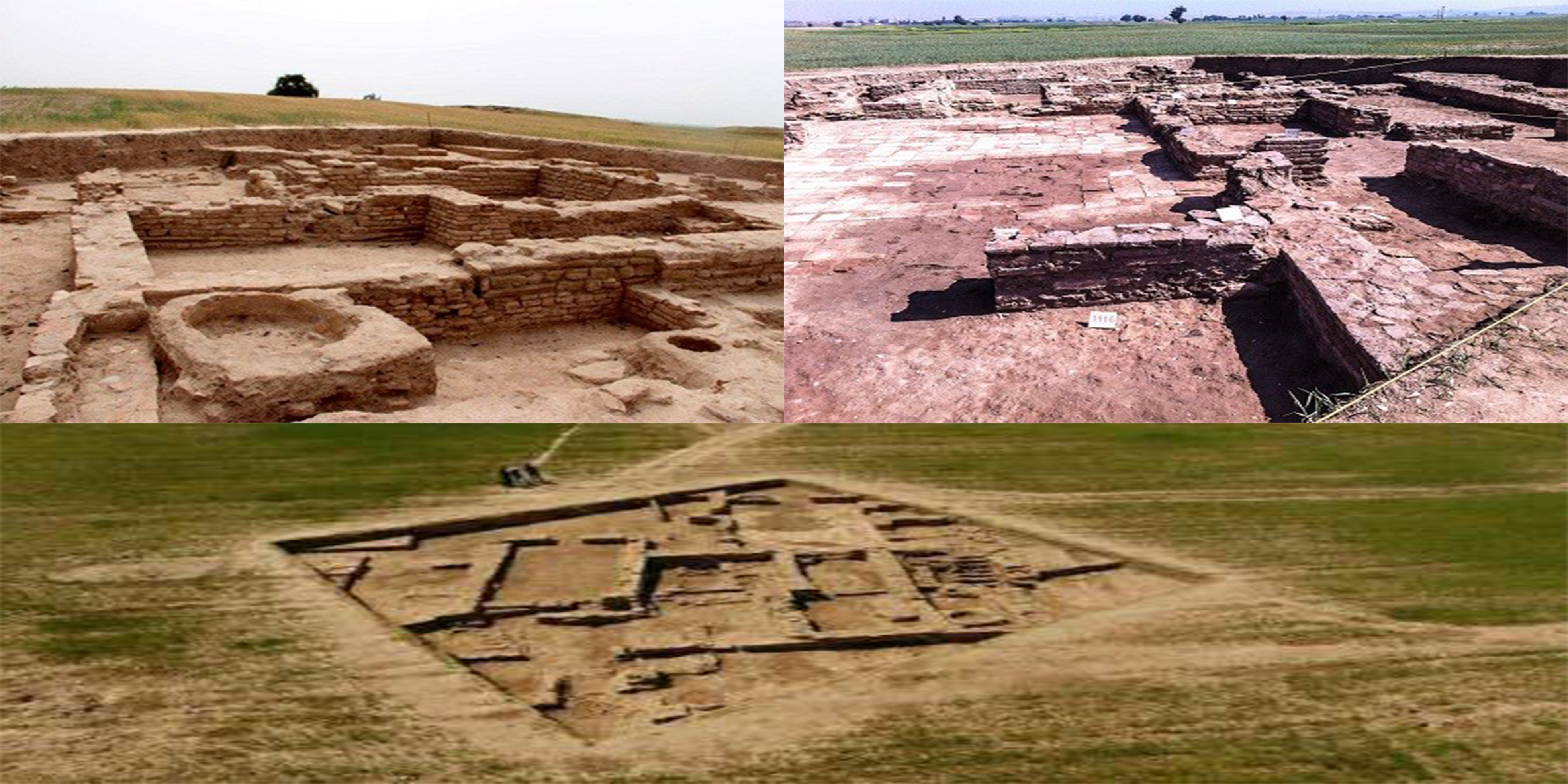
Founded in 1955 as part of the modern revival of the historic scholarly heritage of ancient Jundishapur, the institution that would become Ahvaz Jundishapur University of Medical Sciences began as a College of Medicine under the auspices of what was then Jundishapur University in Ahvaz. Over the following decades, the university expanded its academic programs and facilities, reflecting a deep commitment to medical education, research, and community health in Khuzestan Province. In 1986, the medical faculty formally became an independent institution under the Ministry of Health and Medical Education, continuing to educate generations of healthcare professionals and advancing science in the region. In 2025, the university celebrates its 70th anniversary, a milestone that honors both its modern academic achievements and its symbolic link to the ancient Academy of Gondishapur, one of the oldest centers of learning in history.
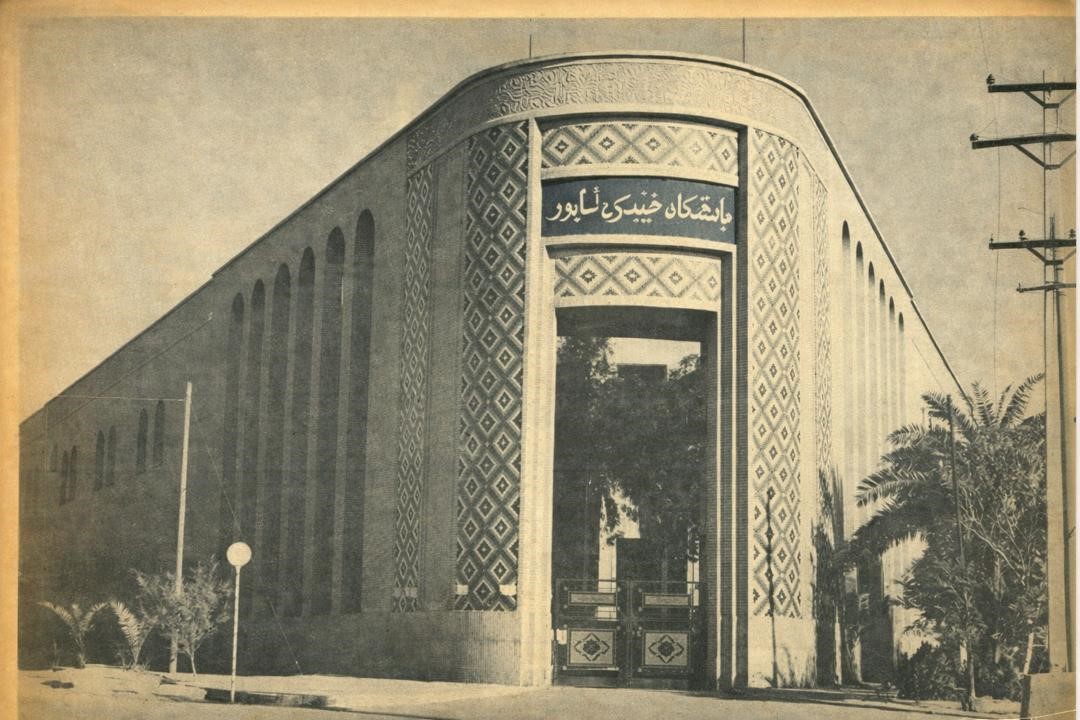
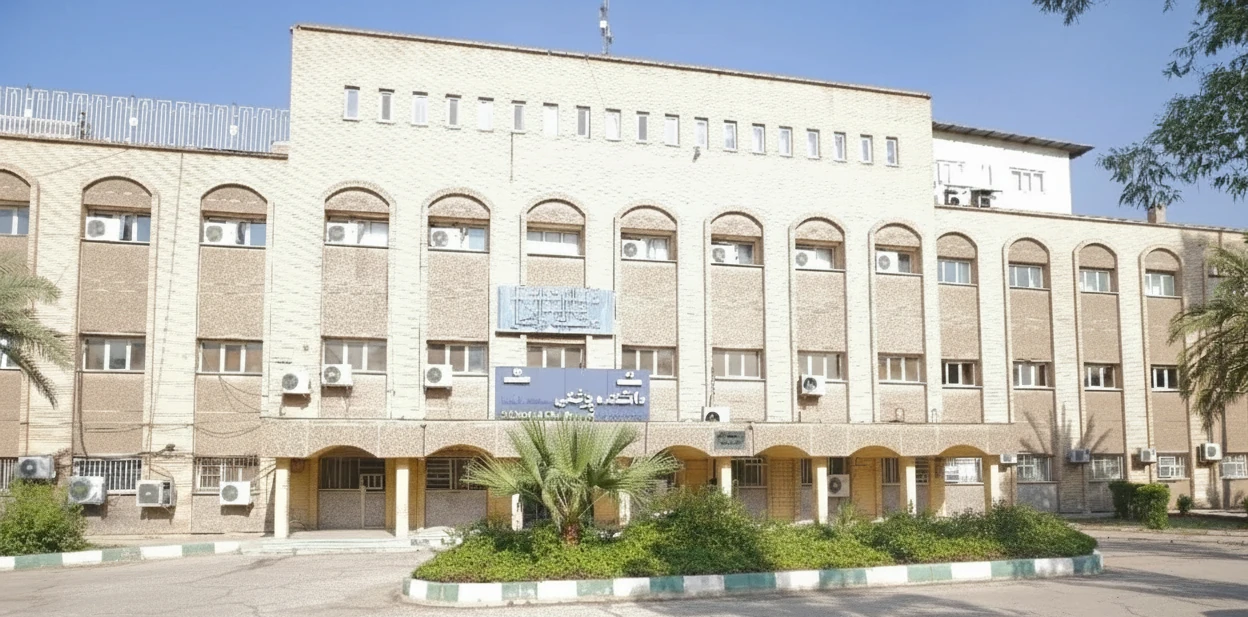
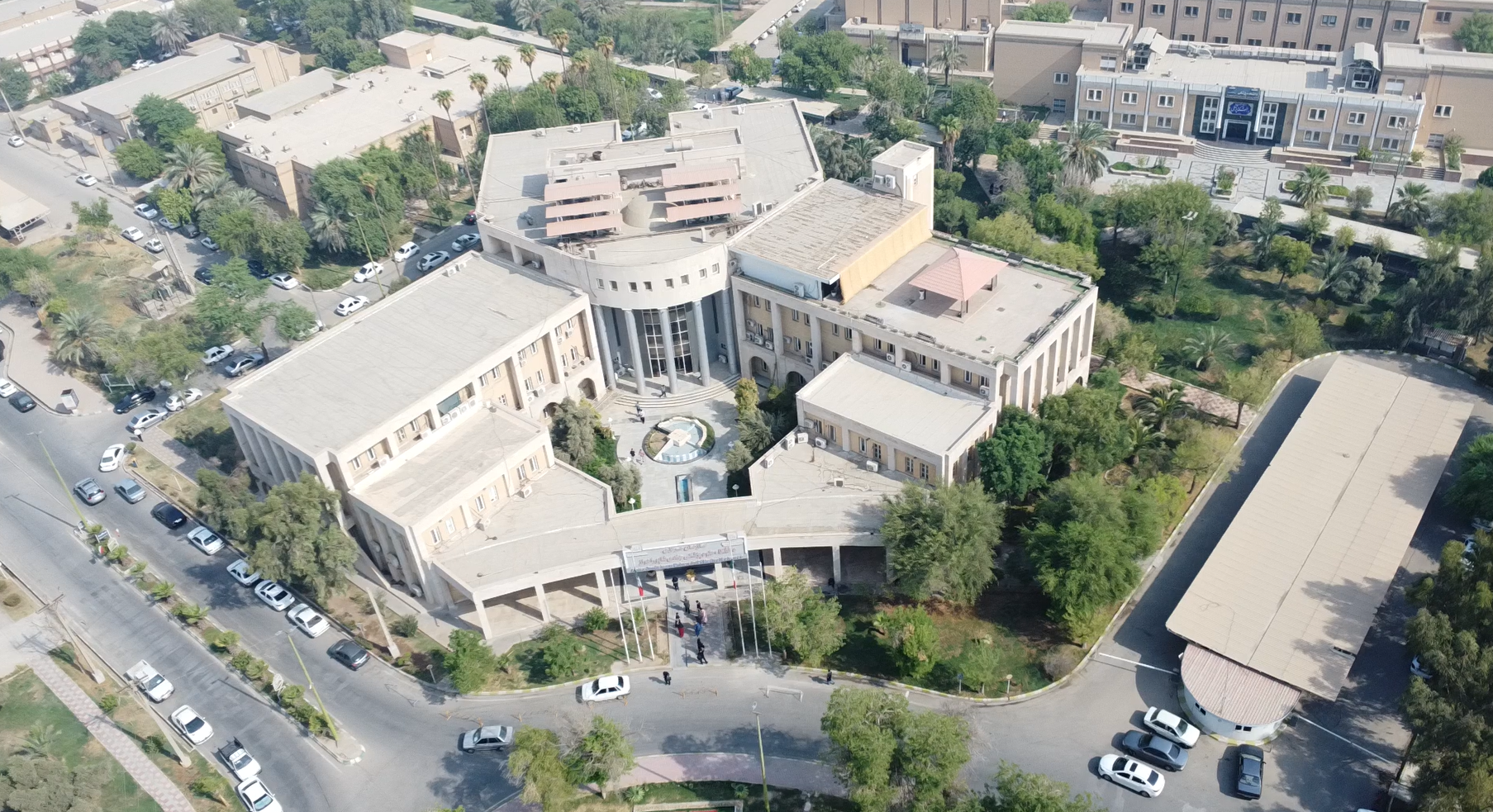
As the university developed, additional faculties and facilities were constructed around this building, including schools of pharmacy, dentistry, health sciences, allied medical sciences, nursing and midwifery, and rehabilitation sciences. Over time, the campus expanded to accommodate multiple schools and research centers, transforming Jundishapur into a comprehensive medical university serving students from across Iran and abroad.
انتخاب حالت کور رنگی
سرخ کوری سبز کوری آبی کوری سرخ دشوار بینی سبز دشوار بینی آبی دشوار بینی تک رنگ بینی تک رنگ بینی مخروطیتغییر اندازه فونت:
تغییر فاصله بین کلمات:
تغییر فاصله بین خطوط:
تغییر نوع موس:
تغییر نوع موس:
تغییر رنگ ها:
رنگ اصلی:
رنگ دوم:
رنگ سوم: